icon

+91 9699915789
Book an Appointment

icon

Wockhardt Hospital
Agripada , Mumbai Centra

Epillepsy Surgery

epilepsy surgery in Mumbai

Epilepsy Surgery in Mumbai

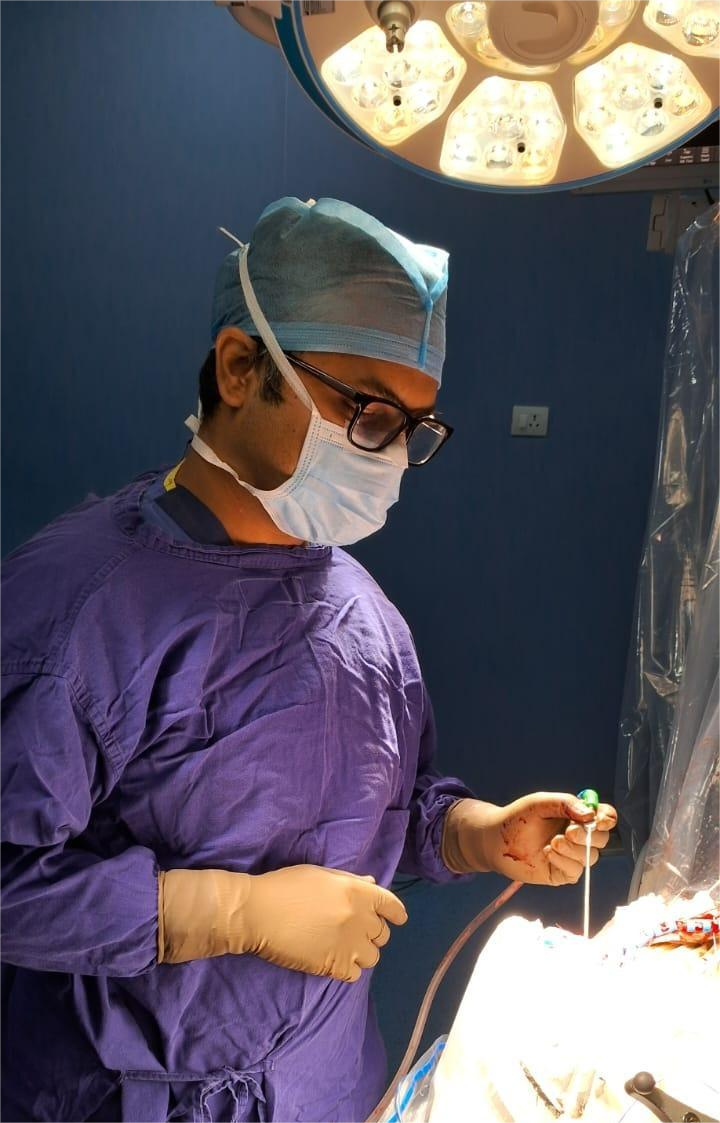
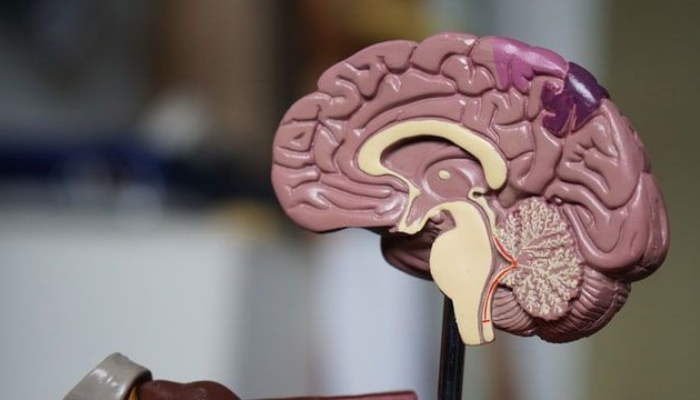
Epilepsy surgery is a proven and effective treatment option for individuals whose seizures cannot be controlled with medication, also known as drug resistant epilepsy. The procedure involves identifying the exact area of the brain responsible for generating seizures and removing or isolating it to prevent further abnormal electrical activity. For many patients, this can lead to a significant reduction in seizure frequency and in many cases, complete freedom from seizures.

At Dr. Keval Shukla’s advanced neurosurgery center, patients receive personalized care guided by cutting-edge technology and evidence-based surgical techniques. Each case is evaluated through comprehensive diagnostic tests such as video EEG monitoring, brain imaging, and neuropsychological assessments to ensure precision and safety during surgery.

Recognized as one of the best doctors for epilepsy in Mumbai, Dr. Keval Shukla combines medical expertise with compassionate care to help patients achieve long term seizure control and improved quality of life. With a focus on minimally invasive methods and precise surgical planning, his team ensures faster recovery and optimal outcomes for every patient undergoing epilepsy surgery in Mumbai.

Conditions Treated

Drug-resistant epilepsy (focal or generalized)

Temporal lobe epilepsy

Epilepsy due to cortical malformations or tumors

Seizures from past brain trauma or infections

Symptoms of Epilepsy

Epilepsy is a neurological disorder characterized by sudden bursts of abnormal electrical activity in the brain, leading to recurring seizures. During an epileptic episode, a person may experience unusual behavior, sensations, muscle spasms, or even temporary loss of consciousness.

Fainting or extreme exhaustion that affects the whole body
Muscle contractions or rhythmic spasms , often occurring suddenly and repeatedly
Forgetfulness, anxiety, depression, or blank staring spells , which may appear before or after a seizure

Recognizing these symptoms early is crucial for diagnosis and effective epilepsy management. Proper treatment can help reduce seizure frequency and improve overall quality of life.

Techniques Used

Temporal Lobectomy (most common and effective)
Lesionectomy (removal of tumors, cysts, or scar tissue)
Corpus Callosotomy (to prevent seizure spread)
Hemispherotomy (for severe cases in children)
SEEG & Electrocorticography for precise brain mapping

Causes of Epilepsy

Epilepsy is not a contagious condition. It can develop due to various factors that affect the brain’s structure or function. However, in nearly half of all cases worldwide, the exact cause of epilepsy remains unknown.

Structural: Brain injury, developmental abnormalities, or damage from trauma or stroke
Genetic: Inherited mutations or genetic predispositions that increase seizure risk
Infectious: Brain infections such as meningitis, encephalitis, or parasitic diseases
Metabolic: Imbalances in essential body chemicals affecting brain activity
Immunological and Unknown: Autoimmune conditions or causes that remain unidentified

Epilepsy Also Occurs in the Following Conditions

Epilepsy can be a result of other medical or neurological conditions that impact the brain before, during, or after birth. These conditions may alter brain function, leading to seizures later in life.

Brain damage caused by prenatal or perinatal factors such as low birth weight, oxygen deprivation, or birth trauma
Genetic disorders or congenital brain abnormalities
Severe head injury leading to structural brain damage
Stroke , which limits oxygen supply to brain tissue
Brain infections such as meningitis, encephalitis, or neurocysticercosis
Specific genetic syndromes linked to seizure disorders
Brain tumors that interfere with normal brain function

Early identification and management of these underlying conditions can significantly lower the risk of developing epilepsy and improve patient outcomes.

Benefits

Long term or complete seizure control in many patients
Reduced medication dependency
Improved memory, behavior, and quality of life
Increased independence in daily life
Safer pregnancy and parenting for women with epilepsy

Why Choose Dr. Keval Shukla?

Dr. Keval Shukla is renowned for his expertise in epilepsy surgery. With years of experience and a patient-centered approach, he is considered one of the best doctors for epilepsy treatment in Mumbai.

Temporal Lobectomy: A procedure to remove the portion of the brain where seizures originate.
Lesionectomy: Removal of abnormal brain tissue causing seizures.
Corpus Callosotomy: Surgical disconnection of the brain's hemispheres to prevent seizure spread.
Vagus Nerve Stimulation (VNS): Implantation of a device that sends electrical impulses to the brain to reduce seizures.

What People Say

Real feedback from our valued customers

Excellent

Patient voices that celebrate trust, comfort, and beautiful outcomes.

FAQS

  • Can epilepsy be cured by surgery?
    In many cases, yes. Epilepsy surgery can significantly reduce or completely stop seizures, especially in patients with drug-resistant epilepsy. By removing or isolating the seizure-causing area in the brain, long-term seizure control or even complete freedom is possible. Consulting the best doctor for epilepsy in Mumbai, like Dr. Keval Shukla, helps determine if surgery can be a permanent solution for your condition.
  • What is epilepsy surgery?
    Epilepsy surgery is a specialized neurosurgical procedure that removes or disconnects the part of the brain responsible for seizures. It’s recommended for patients who don’t respond to medications. At Dr. Keval Shukla’s clinic in Mumbai, advanced diagnostic tools like MRI and EEG are used to accurately locate the seizure focus before surgery.
  • How does split brain surgery help epilepsy?
    Split brain surgery, also known as corpus callosotomy, is performed when seizures spread from one side of the brain to the other. By disconnecting the two hemispheres, it helps reduce the severity and frequency of seizures. This technique is especially helpful for patients with uncontrollable generalized seizures and is performed by experienced specialists like Dr. Keval Shukla in Mumbai.
  • Is epilepsy surgery dangerous?
    When performed by an experienced neurosurgeon, epilepsy surgery is safe and highly effective. Risks are minimal due to modern imaging, neuronavigation, and minimally invasive methods. Under the care of Dr. Keval Shukla, one of the best doctors for epilepsy in Mumbai, patients experience a high success rate and significant improvement in their quality of life.
  • How long does recovery take after epilepsy surgery?
    Recovery after epilepsy surgery usually takes 4–8 weeks. Patients may return to light activities within a few weeks, with full recovery depending on the procedure type. Follow-up visits with the best epilepsy specialist in Mumbai ensure safe healing and long-term seizure control.
  • What is the success rate of epilepsy surgery in Mumbai?
    The success rate for epilepsy surgery in Mumbai ranges between 70–90%, depending on the type of epilepsy and surgical approach. Many patients achieve long-term seizure freedom or a major reduction in seizure frequency after surgery performed by Dr. Keval Shukla.
Enquire Now